Category: Physical Body

  • The Benefits of Chlorella

    The Benefits of Chlorella

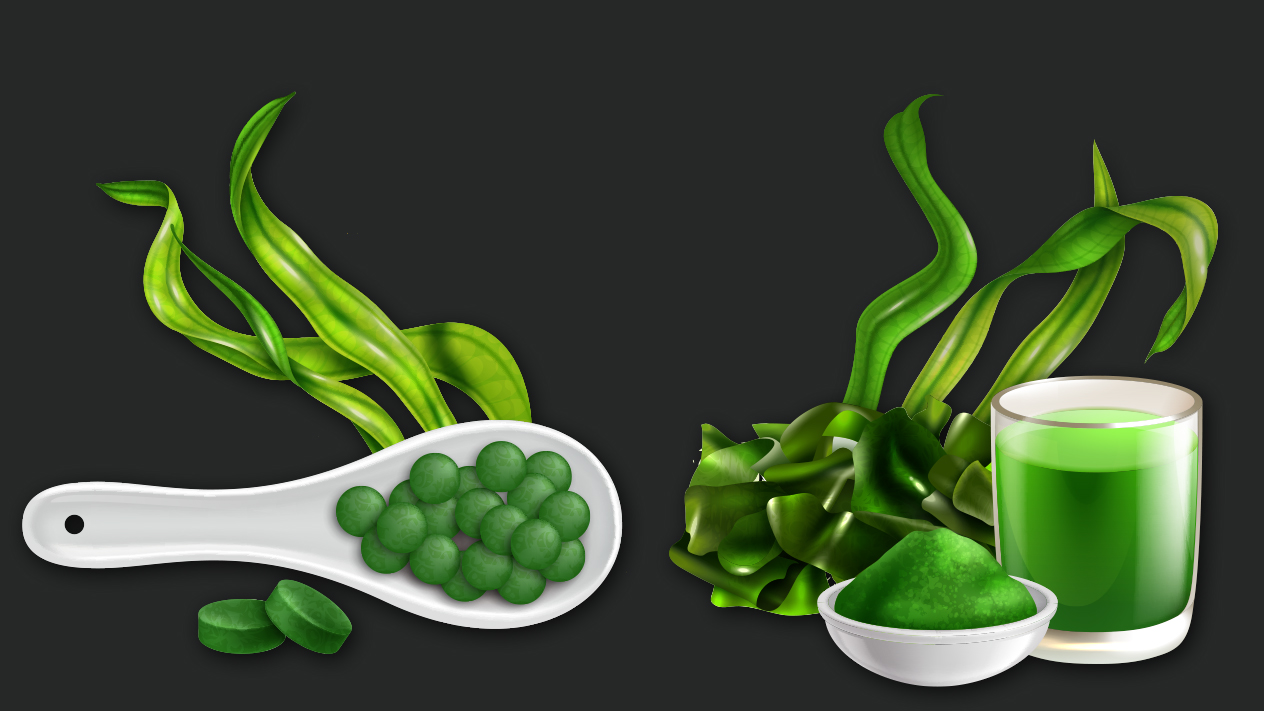
    Chlorella is a genus of about thirteen species of single-celled green algae belonging to the division Chlorophyta. Chlorella is a type of algae that packs a big nutrient punch, as it’s a good source of several vitamins, minerals and antioxidants. In fact, emerging research shows that it couldĀ help shuttle toxins out of your body and improve cholesterol and blood sugar levels, among other health benefits.

    When it comes to algae, most people only know about the benefits of Spirulina as a digestion supplement, yet Chlorella is often used in areas like heavy metal detoxification.

    Unlike Spirulina, which contains two separate pigments, Chlorella only contains one pigment, and that’s Chlorophyll and Chlorella has the highest concentration of it in the world.

    Chlorophyll is a fat-based pigment and Spirulina is a water-based pigment, meaning Chlorophyll can take charge in healing your gut, your liver and the cell walls around the mitochondria, easing the process for nutrients to enter and toxins to leave your cells when they’re not entirely healthy.

    While Chlorella is rich in Chlorophyll, only 10% of it makes its way into your stomach and the rest of it finds its way through your liver, gut and colon, meaning that it is absorbing toxins from all the way down in your system.

    They even used to supply liquid Chlorophyll to the injured during World War One because the healing process was as fast as the one of a blood transfusion.
    This is because the chemical composition of Chlorophyll is highly similar to those in your hemoglobin, the only difference being that Chlorophyll contains a magnesium atom in the middle which is an iron atom that carries the oxygen in your blood cells.

    Chlorella has the ability to pull out just about any toxins from your body, such as heavy metals, mercury, lead radiation, alcohol and lactic acid due to its ability to detect what is supposed to be there and what is not. While activated charcoal has often been a popular choice when pulling out toxins, it also pulls out all the minerals that your body could benefit from keeping. Chlorella, however, comes with many minerals such as magnesium, potassium, phosphorus and calcium.

    It also has the highest concentration of RNA DNA, which is important because as you get older, your RNA DNA tends to get damaged, due to it containing a growth factor that speeds up the growth of your cells.

    This interview with one of the world’s leading experts in algae provides a more in depth perspective on the Super Powers of this little known algae.

    Try Chlorella along with Spirulina today and thrive on the health benefits of the ultimate nature remedies.
  • Biohacking, what you need to know and how it works

    Biohacking, what you need to know and how it works

    Biohacking can be described as do-it-yourself biology and it consists of making small diet or lifestyle changes to slowly improve your health and well-being. The most common biohacks can lead to quick weight loss or increased brain function.

    Here is how biohacking works and how you can do it safely.

    While biohacking can come in many forms, but the three most popular types are nutrigenomics, grinder, and DIY biology.

    Nutrigenomics

    This type of biohack focuses on how what you eat ultimately reacts to your genes. Although controversial, Nutrigenomics is based on the idea that your body’s genetic being can be drawn upon and improved from examining how different nutrients impact your health over time. They also take note of how these nutrients impact your feelings, thoughts and behaviours.

    Grinder

    Grinder is a subculture within biohacking that considers every aspect of the human body hackable.

    Grinders wish to ‘improve’ their bodies using a combination of technological gadgets, chemical-induced injections, implants, and everything and anything they can gain access to in order to make their bodies function the way they want them to.

    DIY Biology

    DIY biology can be defined as the type of biohacking that is guided by people with education and experience in any of the related scientific fields.

    These types of biohackers share their opinions and tips to nonexperts conduct their own self-examination outside of any surveilled experimental environment such as labs or medical centers.

    How Nutrigenomics works

    Nutrigenomics can alter your biology in many ways such as
    lowering your risk of disease that you are genetically predisposed to
    helping you reach physical, mental, or emotional goals like losing weight or alleviating your depression symptoms
    helping you improve any bodily function like blood pressure or stomach bacteria
    Food does have an effect on your genes, however not everybody responds to changes in diets or habits in the same way.

    How DIY biology and grinder biohacking work

    While there are many examples of DIY biology and grinder-based experiments that have achieved their intended outcome, with any experiment or modification within the human body there can be severe or fatal consequences.
    Without training, DIY biohacking or grinder experiments can be dangerous and even be against the law. In 2017, the UC Davis Law Review stated that any exposure to harmful biological agents not only causes numerous health problems but also breaks international bioterrorism laws.

    In 2018, a grinder experiment took place where a number of people who follow this subculture inserted RFID chips into their bodies to gain access within hospitals or apply sound-increased magnets in their ears in order to have ‘built-in’ earphones.

    While these methods may sound interesting and safe enough, implanting foreign objects into your body can potentially expose you to numerous inflammatory responses that can then lead to long-term infections.

    Is biohacking safe?

    Some types of biohacking can be considered safe, taking supplements or making changes to your diet is considered safe. Some types of body modifications such as RFID implants can be considered safe if they are being overlooked by a medical professional.

    On the other hand, other biohacking methodologies are on the border of being unsafe or illegal. DIY biology and grinder can often centre themselves around experiments that are not seen as safe or ethical in any research facility.

    Experimenting on people, even on yourself is still considered a taboo subject mainly in biology due to the accidental negative outcomes that can occur.

  • Healthy Habits You Could Add To Your Life

    Healthy Habits You Could Add To Your Life

    For people that are constantly on the move it can be difficult to find the time to fit a healthy diet and routine into your day to day, here are some habits that don’t take up too much time or effort.

    Use stairs or your furniture as gym equipment.

    If there is an option to take the stairs either at home or at work, do it. If what you’re looking for is a strong cardio workout, walk up and down the stairs repeatedly. Even if you only go up and down once, start somewhere and increase the amount as you feel stronger.
    You can use gallons of water or bottled drinks of any kind as weights and chairs for tricep dip exercises.

    Drink a little extra water every day.

    We all know the health benefits that come with drinking water every day, it helps regulate your temperature, softens joints, protects your spinal cord and releases waste through urination and sweat. Since 50 to 75% of your weight is made up by water, drinking it is vital for your body to working to its fullest potential and staying hydrated.

    Drink Carbonated Water instead of Diet Soda.

    Research tells us that our brain reacts to artificial sweeteners the same way it does to sugary food. Ingesting sodas every day can increase your desire for foods that are high in calories and make you more vulnerable to weight gain. If you reduce your soda and artificial sweetener intake, it will benefit your waistline and your health.

    Walk for 10 minutes.

    Walking, even if it is for 10 minutes, can boost your cardiovascular health. If the cold weather is what is stopping you, wear a sweat-wicking layer, add insulating layers as they will provide warmth and finish it off with a waterproof windbreaker or coat.

    Correct your Posture.

    Having good posture can prevent backaches, fatigue, muscle pain and it can diminish the stress on your ligaments. Reminding yourself to sit up straight or straighten your posture until it becomes a habit will have a positive effect on your health.

    Sleep 30 minutes earlier.

    Many people don’t get a full night’s rest and whether you do or you don’t is the marker of good heart health. Being well rested after sleeping gives you more energy and helps you with healthy eating goals. When you haven’t slept enough it can reduce your body’s hormone production which will suppress your appetite, and this contributes to weight gain. If you suffer from untreated insomnia or sleep apnea you may have a higher risk of heart disease, obesity and high blood pressure.

    Weigh yourself once a week.

    Setting a weekly maintenance or goal for yourself can keep your weight from creeping up on you, write down what you see each week and compare it to your loss goal. When you weigh yourself make sure it is on the same day, at the same time and with the same amount of clothing, as this adds consistency.

    Healthy breakfast to start the day.

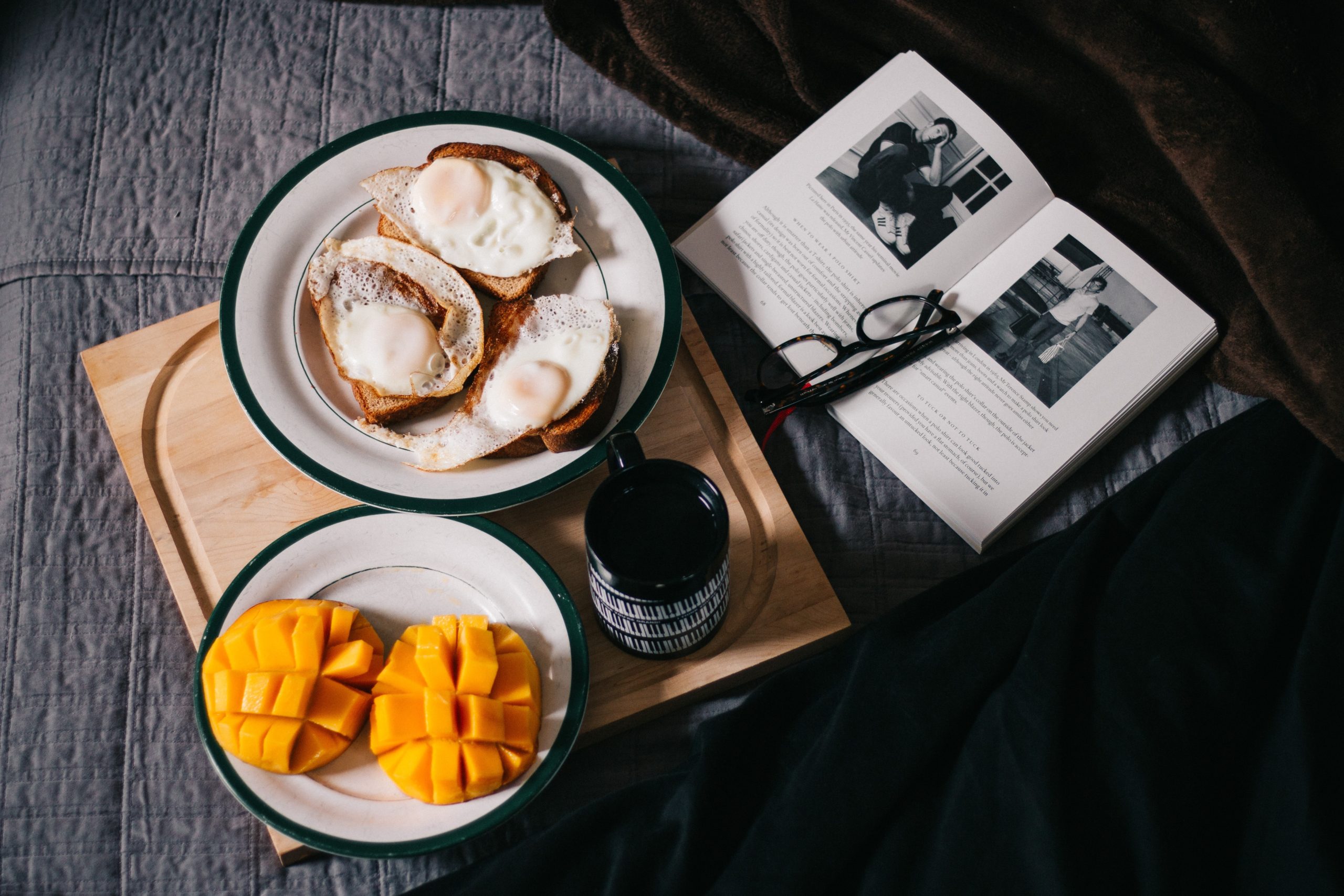
    Eating something that is high in fiber and proteins for breakfast should be enough to keep you energised. Starting your day properly can help you eat better throughout the day and help lower your risk of diabetes and improve your heart health.

    Include lettuce in your meals.

    Incorporating lettuce into your meals adds nutrients and water to your diet. Lettuce contains fiber that helps to fill you up with just 20 calories a serving.

    Substitute unhealthy foods creatively.

    Eliminating foods and snacks that are high in calories and low on the health benefit from your diet is a vital step to a healthier life. Low-fat dairy, whole grains, healthy oils such as avocado and olive oil, and natural sweeteners such as fruit rather than high fat or sugary alternatives.

    Maintaining a healthy diet isn’t about depriving yourself from the things you love, rather it is about prioritising what is god for you and what will be of benefit to your body. These steps are not to be taken and applied in a single day, work through these steps patiently until healthier habits become part of your routine.

  • What the future of Medicine holds for us?

    What the future of Medicine holds for us?

    Medicine is the craft, research, and experience of caring for a patient and handling their illness or disease’s diagnosis, prognosis, prevention, recovery, and palliation. Healthcare has now reached the next period of exponential advances, considering the fact that we are just two decades into the twenty-first century. Individual genetic vulnerabilities to chronic and lethal illnesses will now be detected using precision medicine technology, possibly eliminating illness decades later.  

    Precision medicine, digital therapeutics, 3D printing, immunotherapy, gene and stem cell therapies, and artificial intelligence are among the new technologies and treatments that have arrived or are on their way. People are living longer and happier lives thanks to modern medicine. Researchers, on the other hand, intend to take wellness changes even further. The future of medicine is promising, thanks to developments in genome editing, technologies to cure blindness, and attempts to address high medication prices.

    Modern medicine has greatly improved people’s health. Researchers now want to take this a step further. People are living longer and happier lives than their forefathers and mothers. But, as any medical researcher can testify, dreams are even bigger. With too much money to be made, disease prevention is becoming increasingly important in medicine. Intervention to protect people from long-term illness may start as soon as the baby is born. And, although a deterioration in health in later life of be common, the line between stable ageing and disease is still a point of contention.

    Efforts to gain more leverage over rogue immune systems, as well as to create technical alternatives to paralysis, are showing early signs of success.

    The future in medicine may be very promising indeed if obstacles to obtaining the latest therapies available can be resolved.